How Two-Letter Tags Enter Every Online Conversation
Short abbreviations thrived in early chats, where speed mattered more than perfect spelling each time. Among them, TW appeared as two letters that carried context across forums and phones quickly. Its compact form suited tight character limits and the rapid rhythm of scrolling conversations daily. People adopted it to signal a shift in topic, tone, or sensitivity without long explanations. That signaling role kept evolving, shaped by communities that valued clarity as much as humor. Today, the letters still travel widely, even when their intended meaning differs slightly by setting.
Core Meanings That Appear in Texting and Comments
In casual texting, the abbreviation often introduces a note that frames what follows for readers. It can stand for trigger warning, topic warning, or a simple heads-up before details. Some groups use it for twin, two-, or even-time warp when joking around online. On music and fandom pages, it may reference Taylor Swift, depending on the conversation there. Because meanings overlap, the surrounding sentence usually supplies the real definition in seconds for everyone. When someone types TW, they rely on shared culture, not a fixed dictionary entry alone.
Trigger Warning Culture and Why It Became Popular
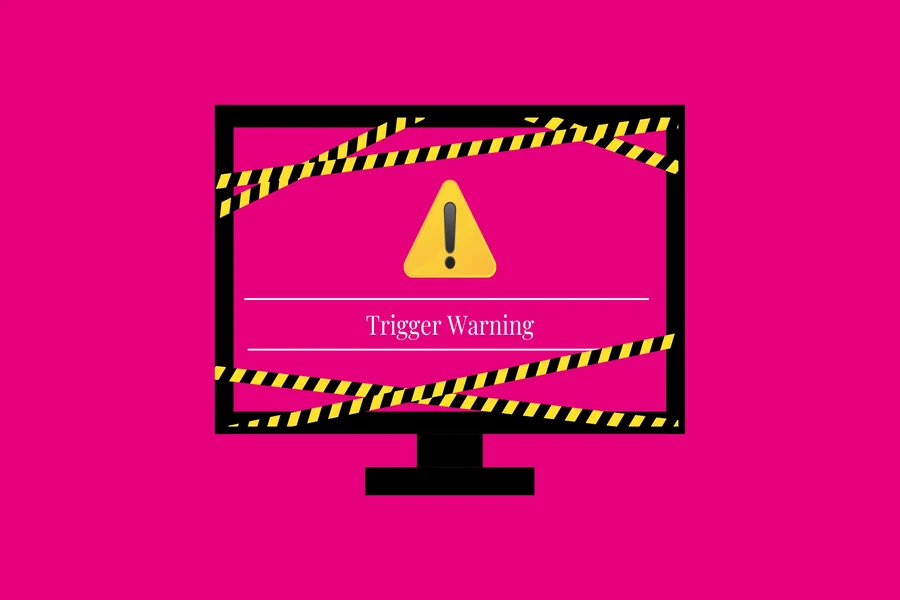
Trigger warnings grew online as communities discussed trauma, violence, and other difficult subjects openly together. The shorthand TW became a quick label placed before posts, threads, captions, or video notes. Readers can decide whether to continue, pause, or return later today without disruption or drama. Supporters describe it as a courtesy that respects boundaries while keeping conversations possible online as well. Critics sometimes argue it dilutes discussion, yet the label remains common across platforms right now. Its popularity reflects the internet learning social cues, then compressing them into two letters neatly.
Topic Warning and Other Gentler Uses in Posts
Not every warning involves trauma, and many creators use softer framing for everyday content online. A topic warning might signal spoilers, politics, grief, illness, or heated debates in comments sections. In these cases, TW functions like a label on a box, keeping expectations realistic always. Some writers pair it with brief keywords, making the note clear without sounding heavy either. That lighter approach fits lifestyle feeds, where audiences prefer calm transitions between subjects each day. Even then, interpretation depends on trust, since tone can shift with a single emoji quickly.
Platform References and Brand Shortcuts in Daily Writing
Sometimes the letters point to Twitter, especially in older guides and cross-platform captions online. People say a clip went viral on the site, then shorten the name to letters. In marketing talk, it may hint at Taiwan, a common country abbreviation in shipping lists. Collectors also use it for Town, Tower, or Twilight in product codes and catalog tags. Those meanings feel separate from warnings, yet they coexist in the same tiny marker often. Context clues like hashtags, links, and usernames usually settle the question without confusion at all.
Meaning Shifts Across Communities and Age Groups
Different communities build their own shorthand, and meaning shifts as new members arrive quickly online. Teens might use TW for a dramatic tease, while adults expect a content warning label. In professional chats, the same letters can feel too informal, so people spell things out. Gaming servers sometimes treat it as shorthand for team win, though that usage is niche. Fandom spaces may connect it to characters, albums, or inside jokes shared for years there. Because audiences mix, a single post can carry multiple readings at once, silently for some.
Tone, Formatting, and the Tiny Signals Around It
Beyond letters, formatting adds meaning, like parentheses, brackets, or a colon after the tag itself. Some writers type TW in all caps, which reads firm and direct on bright screens. Others keep it lowercase nearby, making the warning feel casual and almost conversational today, too. Line breaks matter because the label works best when it appears before the sensitive words. Emoji, punctuation, and spacing can soften or sharpen the mood, even without extra text added. These small choices show how online language blends typography, emotion, and speed in harmony daily.
Where the Tag Appears in Videos, Threads, and Feeds
On video platforms, creators often place a warning in the captions and then repeat it softly. TW may appear at the start of a thread, letting later replies stay more natural. In stories and reels, text overlays flash briefly, so brevity becomes essential for comprehension there. Some bloggers hide details behind a read more break, keeping feeds cleaner and calmer overall. Podcasts use spoken notes in intros, which function similarly without relying on text cues alone. Across formats, the tag survives because it travels easily, even when layouts change constantly online.
Common Misreads and How Conversations Recover Gracefully
Misunderstandings happen when someone expects a warning, but the writer meant something else entirely instead. A post labeled TW for spoilers can surprise readers who associate it with trauma topics. On the other side, a casual brand shortcut may look insensitive in a serious discussion. Replies often clarify the intended meaning, and the thread moves forward with minimal tension afterward. Because online talk is fast, small corrections rarely feel like defeats or public scolding today. Over time, repeated clarifications teach newcomers the local rules, even without formal guides shared anywhere.
Conclusion
Two-letter shortcuts feel small, yet they carry histories of communities, platforms, and moods, too. This tag can warn, label, tease, or reference places, depending on where it appears today. Its flexibility explains why it persists, even as apps change features and norms rapidly again. Readers decode it through surrounding words, shared jokes, and the emotional temperature of the thread. When meaning is unclear, conversation usually smooths it out with context and gentle clarification soon. That quiet repair keeps online spaces moving, while language keeps shrinking and expanding together daily.
FAQs
What does TW usually mean when posted before sensitive content?
It most often signals a trigger warning, preparing readers for potentially upsetting details in advance.
Can the abbreviation ever refer to a platform or place?
Yes, it sometimes points to Twitter or Taiwan, especially in marketing or shipping contexts online.
Why do people add warning labels to casual posts sometimes?
They set expectations for spoilers, grief, politics, or medical themes without derailing conversation flow later.
Is meaning decided by the letters alone or context more?
Context matters most, since surrounding words, hashtags, and tone reveal the intended reading quickly there.
Do misunderstandings about short tags often cause serious conflict online?
Usually not, because replies clarify intent and people move on together with minimal friction afterward.


