
What Does WTV Mean in Texting and Online Chats Explained Simply
Origins of WTV in Fast-Moving Text Conversations
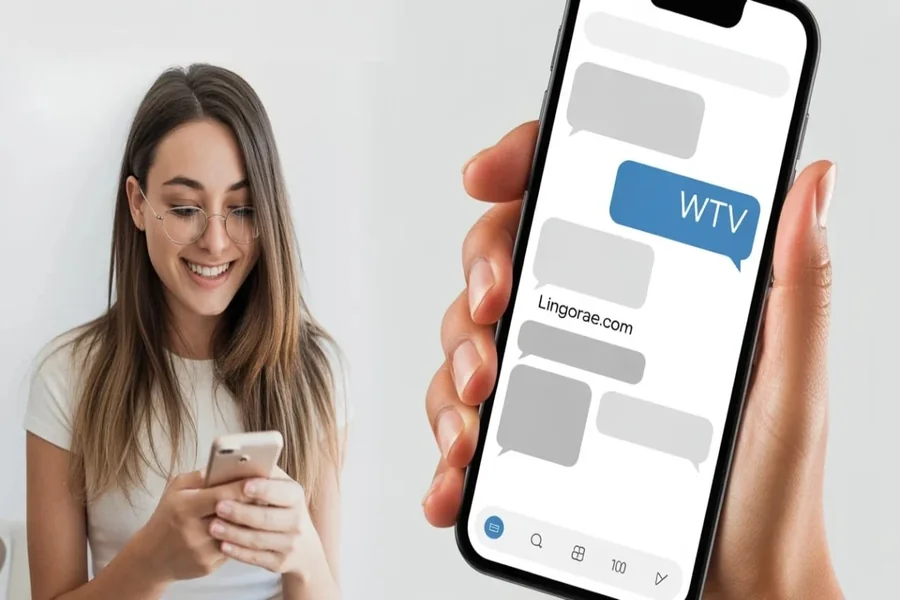
WTV grew from quick typing habits and crowded message screens today. Many people ask, “What does WTV mean?” after seeing it everywhere online. It originated as a shortened form of “whatever” in casual texting. Early chat rooms rewarded speed, and abbreviations became social shortcuts.
As phones replaced keyboards, shorter replies felt even more natural. WTV stayed because it looks light, fast, and flexible. It can appear in friendly talk, teasing, or tired conversations. That versatility helped it spread across platforms without losing recognition.
What WTV Signals When Context Feels Unimportant
WTV often lands when details feel less important than moving forward. Someone may ask, “What does WTV mean?” because it seems vague. The core idea points toward whatever, but mood shapes the message. It can sound relaxed, like a shrug in text form.
It also can signal that the speaker feels done discussing options. In some chats, it shows boredom, not anger. In others, it shows easygoing acceptance of any plan. The same three letters can hold warmth or distance. Context usually does the heavy lifting.
Tone Shifts When WTV Appears in Close Friend Chats
Among close friends, WTV can feel playful and familiar. People still wonder, “What does WTV mean?” when it looks blunt. Friends often read it as joking indifference rather than rejection. It can be paired with emojis that soften the edge quickly.
Inside friend groups, shared humor makes short replies feel normal. WTV might follow a silly debate about food or music. It can mean the choice truly does not matter. It can also tease someone who overthinks tiny details. Familiarity changes how harsh the word feels.
WTV as a Soft Exit from Awkward Digital Moments
Sometimes WTV appears when a conversation starts to feel tense. A reader may ask, “What does WTV mean?” after an uncomfortable exchange. It can serve as a quick retreat without starting a bigger argument. The message may imply “Let’s drop it” without explicitly stating it.
In awkward moments, people pick short words to avoid explaining emotions. WTV can create distance while keeping the chat moving. It may also cover uncertainty, like not wanting to choose sides. That quiet exit can feel smoother than silence. Yet it can still sting.
How Social Media Captions Use WTV for Attitude
On social media, WTV often reads like a vibe statement. Someone scrolling may ask, “What does WTV mean?” under a photo caption. It can express confidence, like not caring about criticism. It can also suggest carefree energy during travel or nightlife posts.
Captions love short slang because it looks clean and punchy. WTV can feel like a modern version of “whatever, I’m fine.” It pairs easily with songs, memes, and inside jokes. In that space, it is less about conversation flow. It becomes a stylized attitude signal.
Differences Between WTV and Similar Short Replies
WTV sits near other quick responses, but it carries a distinct feel. Many newcomers ask, “What does WTV mean?” compared with “idc” or “k.” “Idc” can sound colder, with stronger dismissal baked in. “K” can feel abrupt, even when no harm is meant.
WTV often lands softer because it implies flexibility or shrugging. It can mean any option works, not that nothing matters. Still, it can slide into dismissive territory when paired with silence. Those tiny differences matter because text lacks facial cues. One shortcut can change the entire emotional read.
When WTV Reads as Rude and When It Reads Playful
WTV can read rude when it dismisses someone’s effort or feelings. That is why people ask, “What does WTV mean?” after a serious message. In emotional talks, it may sound like the speaker does not care. Without extra context, the bluntness can feel sharp.
Yet it reads playful when both sides share a casual tone. A laughing emoji or a friendly follow-up can change everything. Timing matters too, especially after long messages. If WTV arrives too quickly, it feels harsh. If it follows light banter, it feels like a shrug and smile.
WTV in Gaming Streams and Group Message Dynamics
In gaming chats, WTV often appears during fast, noisy conversations. New viewers ask, “What does WTV mean?” when stream chats fly by. It can signal “whatever works” during team decisions or quick planning. It may also show impatience when debates slow the pace.
Group chats amplify how slang spreads through imitation and rhythm. One person types WTV, and others adopt it in minutes. The meaning stays loose, which helps it fit many situations. In competitive spaces, it can sound dismissive and tough. In casual lobbies, it can sound effortless.
Why WTV Stays Popular Across Generations Online
WTV survives because it is simple, readable, and emotionally adjustable. Even older users ask, “What does WTV mean?” when it pops up in family chats. It feels modern without being complicated or niche. Its sound matches the quick pace of messaging culture today.
Trends change, but flexible slang tends to last longer online. WTV can express boredom, calm acceptance, or playful attitude in seconds. It also saves space in captions and replies. Because it does not lock into one strict emotion, it adapts as platforms evolve. That adaptability keeps it circulating.
Conclusion
WTV appears small yet carries multiple meanings in practice. People ask, “What does WTV mean?” because tone hides between the letters. At its center, it points toward whatever, with flexibility or dismissal. The surrounding conversation decides whether it feels warm or cold.
In friendly moments, it can be light, teasing, and relaxed. In tense moments, it can feel like a door closing quietly. Emojis, timing, and context shape the final impression. WTV stays popular because it fits modern speed and mood shifts. It remains a tiny shorthand for big nuance.
FAQs
What does WTV mean when someone texts it casually today?
It usually means “whatever,” indicating relaxed acceptance, mild dismissal, or low interest in the details.
Is WTV rude in group chats with strangers online sometimes?
Depending on tone, it can feel dismissive, yet friends may read it as harmless banter.
Can WTV mean anything other than “whatever” in texting slang contexts?
Rarely, it can hint at indifference, or act as shorthand for whatever works for me.
Why do people write WTV instead of spelling whatever out?
Short forms save time, match fast chat rhythms, and keep feelings vague when needed most.
Should I respond differently when I see “WTV” used there?
Your reply can mirror the mood, acknowledging feelings, or shifting topics without pressure at all.