
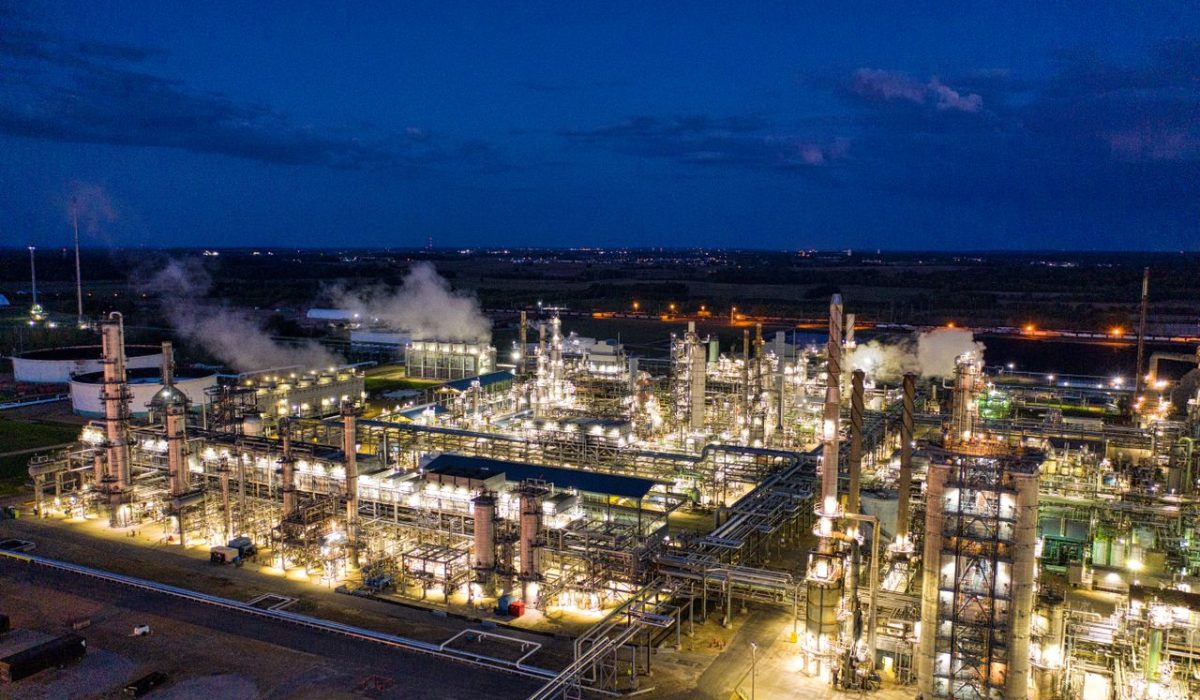
Industrial processing plants rely on dependable equipment to maintain daily production schedules.
Facilities like petroleum refineries and chemical plants expose machinery to ambient heat and corrosive fumes. Selecting proper electrical apparatus for these demanding environments protects plant personnel while preserving operational stability.
The following sections outline standard equipment choices across severe industrial settings. Readers will discover distinct machinery classifications and the service arrangements that deliver this specialized hardware to operating plants.
Operating in Harsh Chemical Conditions
Chemical plants create aggressive environments that rapidly degrade standard machinery. Airborne acids and ambient heat attack standard metal housings over time. Industrial facilities obtain rugged equipment packages through dedicated service contracts with regional rotating apparatus specialists.
These service partners supply the necessary hardware alongside routine diagnostic visits to prevent unexpected plant shutdowns.
Deploying Severe Duty Motors
Heavy mechanical stress requires machines built with thick cast iron frames and durable end brackets. Facilities deploy severe duty motors to drive large industrial blowers and slurry pumps under constant mechanical load. Plant managers lease these rugged units through specialized distribution services that manage regional spare parts inventories.
This arrangement guarantees access to replacement machinery without requiring the facility to maintain a costly warehouse of backup assets.
Addressing Flammable Atmospheres
Volatile vapors inside chemical refineries create significant fire hazards around standard electrical connections.
Vapors from light hydrocarbons and volatile solvents ignite if they encounter an open electrical contact. Specialized safety firms provide compliant machinery through turnkey equipment leasing programs. These providers handle equipment testing along with routine safety audits to keep sites fully compliant with electrical codes.
Relying on Explosion-Proof Motors
Operating inside volatile environments demands units capable of containing an internal flame without igniting the outside room. Refineries run explosion-proof motors on main pipeline valves, crude oil agitators, process exhausters, and fuel transfer units.
Equipment supply companies deliver these certified units through scheduled maintenance service agreements. These contracts include regular flame path inspections and seal replacements performed by factory-trained technicians.
Meeting Demanding Industry Specifications
Refineries maintain strict performance standards for every piece of rotating machinery on the processing floor.
Standard commercial hardware rarely satisfies these rigorous institutional purchasing guidelines. Many manufacturing companies turn to dedicated procurement agencies that locate compliant machinery across global distribution chains.
These procurement specialists track down certified units and coordinate factory acceptance testing for major plant additions.
Utilizing IEEE 841 Motors
Petrochemical facilities demand hardware built specifically for long continuous operating lives.
Plant engineers choose IEEE 841 motors for applications running large compressors and continuous feed systems. Industrial repair centers supply these specialized petrochem units through long-term reliability agreements.
Under these programs, the service center conducts periodic vibration monitoring and bearing lubrication to keep production lines running.
Managing Continuous Liquid Exposure
Liquid sanitation procedures place severe moisture stress on industrial electrical components. Water spray combined with chemical detergents penetrates unsealed electrical enclosures quickly.
Facilities contract with sanitation equipment suppliers that deliver sealed hardware as a managed facility service. The supplier assumes responsibility for ongoing equipment maintenance and replaces damaged hardware before moisture causes an electrical short.
Installing Washdown Duty Motors
Production areas requiring constant sanitization demand machinery with high-grade stainless steel components and sealed joints. Processing plants run washdown duty motors on sorting tables and liquid bottling lines.
Sanitation engineering companies provide these moisture-resistant units through subscription-based exchange programs.
This service structure allows processing plants to return compromised units for immediate replacement with newly sealed alternatives.
Controlling Particulate Ingress
Solid contaminants like limestone dust, coal fines, dry chemical granules, and airborne sand damage unprotected rotating assemblies.
Gritty particulates wear down shaft seals and contaminate internal grease reservoirs.
Mechanical maintenance contractors deliver particulate management programs that include protective hardware and environmental barriers. These contracted technicians inspect physical seals on every site visit to protect internal bearings from premature failure.
Adopting Totally Enclosed Fan Cooled Motors
Dirty locations require an enclosure design that separates interior working components from ambient room air. Industrial facilities install totally enclosed fan-cooled motors to run outdoor conveyors and grinding mills.
Certified apparatus distributors supply these enclosed machines through predictive service contracts. Service teams track motor health through thermal imaging and acoustic analysis to schedule service before breakdowns happen.
Securing Long-Term Fleet Reliability
Industrial plants achieve consistent production goals through dependable service partnerships for their rotating equipment.
A comprehensive service partner maintains local warehouse inventory and provides emergency response teams during plant interruptions.
Contracting with an established equipment service provider removes the administrative burden of tracking equipment certifications. Strong vendor agreements help processing plants sustain safe operations through every phase of the production cycle.
Selecting suitable machinery for demanding industrial environments requires a careful assessment of plant conditions. Different process areas require specific engineering designs to maintain safe daily operation. Acquiring this equipment through formal service contracts provides ongoing maintenance expertise and rapid replacement support. Working with experienced service providers helps facilities maintain high operating reliability across all processing stages.