
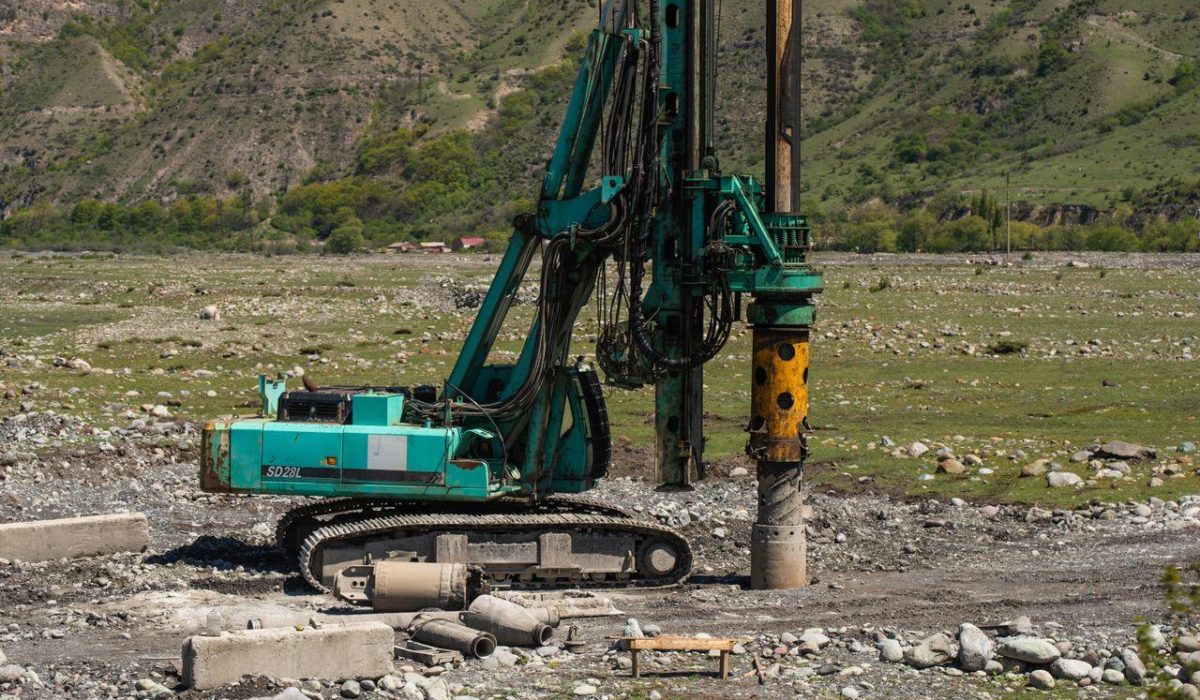
Drilling deep underground places mechanical equipment in demanding physical conditions. Tools must withstand severe rotational friction and corrosive formation fluids without interrupting operating schedules.
When downhole equipment breaks deep underground, the logistical complexity and operating delays create major challenges for field operators. Understanding the core engineering considerations and material solutions that protect downhole assemblies helps teams maintain steady field operations.
This review outlines practical components, specialized alloys, protective barriers, and technical support services that keep subsurface systems working across challenging projects.
Operational Stress Profiling
Deep underground wells expose drilling assemblies to intense ambient heat and cyclic vibration. Understanding these combined mechanical stresses helps operators select equipment configurations that withstand harsh subsurface conditions without unexpected failures.
Sourcing environmental profiling as an external service involves contracting independent petroleum analytical laboratories that run sensor diagnostics on downhole conditions.
These service firms generate predictive stress reports that guide asset management across field deployments.
High-Pressure Thermal Barrier Assemblies
Thermal management inside deep boreholes protects sensitive electronics from heat damage. Heat deflection systems isolate delicate instruments from intense thermal transfer during extended rotational operations.
Drilling programs source these thermal isolation assemblies through contract tooling manufacturers that construct custom vacuum flasks. These industrial vendors deliver certified modular packages designed to fit specific chassis profiles.
Nickel-Chromium Superalloys for Flow Control Components
Fluid friction and acidic formation fluids rapidly corrode standard metals inside production strings.
Nickel-chromium superalloys offer dependable resistance to sour gas cracking and abrasive fluid streams, keeping internal passages structurally sound.
Companies secure these specialized alloy parts through metallurgical casting foundries and precision machining shops that maintain aerospace-grade certifications. Contract suppliers provide finished valve components alongside material test documentation verifying grain structure and chemical composition.
Mechanical Shock Isolation Systems
Severe drill string oscillations create continuous impact forces that fracture internal assemblies during hard rock drilling. Mechanical damping systems absorb dynamic shocks to maintain structural stability across delicate monitoring devices.
Independent directional drilling suppliers and engineering design consultancies offer shock mitigation systems as packaged rental assets or custom installations. Contracting these specialized damping providers supplies field teams with pre-configured housing modules calibrated for variable formation densities.
Tungsten Heavy Alloy for Well Logging Casings
Geophysical wireline logging requires protective housings capable of sustaining high mass alongside reliable radiation shielding.
Tungsten heavy alloy provides the necessary density to sink through viscous muds while blocking stray formation radiation from reaching internal radiation sensors.
Operators can buy custom-machined tungsten heavy alloy for sale through precision refractory metal manufacturers that specialize in powder metallurgy. These manufacturing partners supply finish-machined cylindrical housings along with ultrasonic inspection records to verify structural density.
Elastomeric Seal Integrity Under Decompression
Downhole seals frequently suffer blister damage when rapid pressure drops expand absorbed gases inside polymer matrices. Using specialized fluoroelastomers prevents gas leaks and maintains hydraulic isolation throughout long operating cycles.
Specialized elastomer procurement is handled through industrial seal fabricators that perform rapid gas decompression testing as a contracted service.
These seal providers deliver batch-tested rings along with technical datasheets detailing gas permeation resistance.
Polycrystalline Diamond Compacts for Drill Bit Cutters
Abrasive rock formations cause severe frictional wear on rotating cutting structures, which halts drilling progress. Polycrystalline diamond compacts fuse synthetic diamond layers onto carbide substrates to shear dense rock without premature chipping.
Energy firms source these specialized cutting elements by engaging custom cutter synthesis manufacturers and contract drill bit service companies. These commercial fabricators provide tailored cutter geometries alongside thermal stability testing to match targeted geological formations.
Electromagnetic Attenuation Enclosures for Sensor Packages
Electrical interference generated by mud motors and subsurface power cables distorts downhole measurement signals. Enclosing delicate electronics in conductive barrier materials preserves clear communications between downhole tools and surface processing units.
Specialized telemetry isolation services are sourced through electronics packaging firms that design custom barrier enclosures.
Engaging these external electronics providers delivers fully assembled instrument sleeves that meet electrical noise suppression standards.
Silicon Carbide Ceramics for Pump Bushings
Sand slurry flow creates abrasive wear that quickly erodes standard metallic pump bushings. Silicon carbide ceramics deliver extreme hardness and chemical inertness, which prevents surface galling during heavy fluid circulation.
Oilfield operators contract technical ceramic manufacturing services to grind and polish these high-tolerance ceramic components. These advanced ceramic suppliers deliver custom bushings paired with dimensional verification reports to fit existing pump housings.
Laser Cladding and Surface Hardfacing Services
Continuous friction against borehole walls degrades tool joint collars and outer stabilizer ribs over time.
Applying metallurgical overlays creates hard-wearing exterior coatings that extend the working life of heavy tubular components.
Field operators outsource this work to automated laser cladding service centers that apply tungsten carbide matrices directly onto steel components. These specialty surface-treatment facilities provide turnkey cladding services and post-cladding machining.
Non-Destructive Testing and Metallurgical Evaluation Programs
Microfractures often develop under cyclic downhole loads, leading to sudden mechanical breaks in bottom hole assemblies. Regular non-destructive inspections identify internal material fatigue before damaged parts return to active subsurface operations.
Exploration companies acquire these diagnostic capabilities through independent non-destructive testing service agencies that deploy phased array ultrasonic tools. Retaining independent testing contractors provides certified flaw detection reports and remaining life evaluations for downhole equipment fleets.
Subsurface drilling environments always present difficult mechanical conditions for exploration hardware. Selecting durable materials and pairing them with qualified testing partners gives field projects the structural reliability they need. Routine maintenance protocols and advanced metallurgical fabrication work together to prevent costly equipment failures deep within the wellbore.
Engaging dependable external service providers gives operating teams access to specialized manufacturing and analytical testing without requiring internal fabrication facilities.
Approaching downhole survivability as a coordinated effort across metallurgy and regular diagnostics keeps complex operations moving forward smoothly.