
What Is in an Old Fashioned and Why Ratios Matter
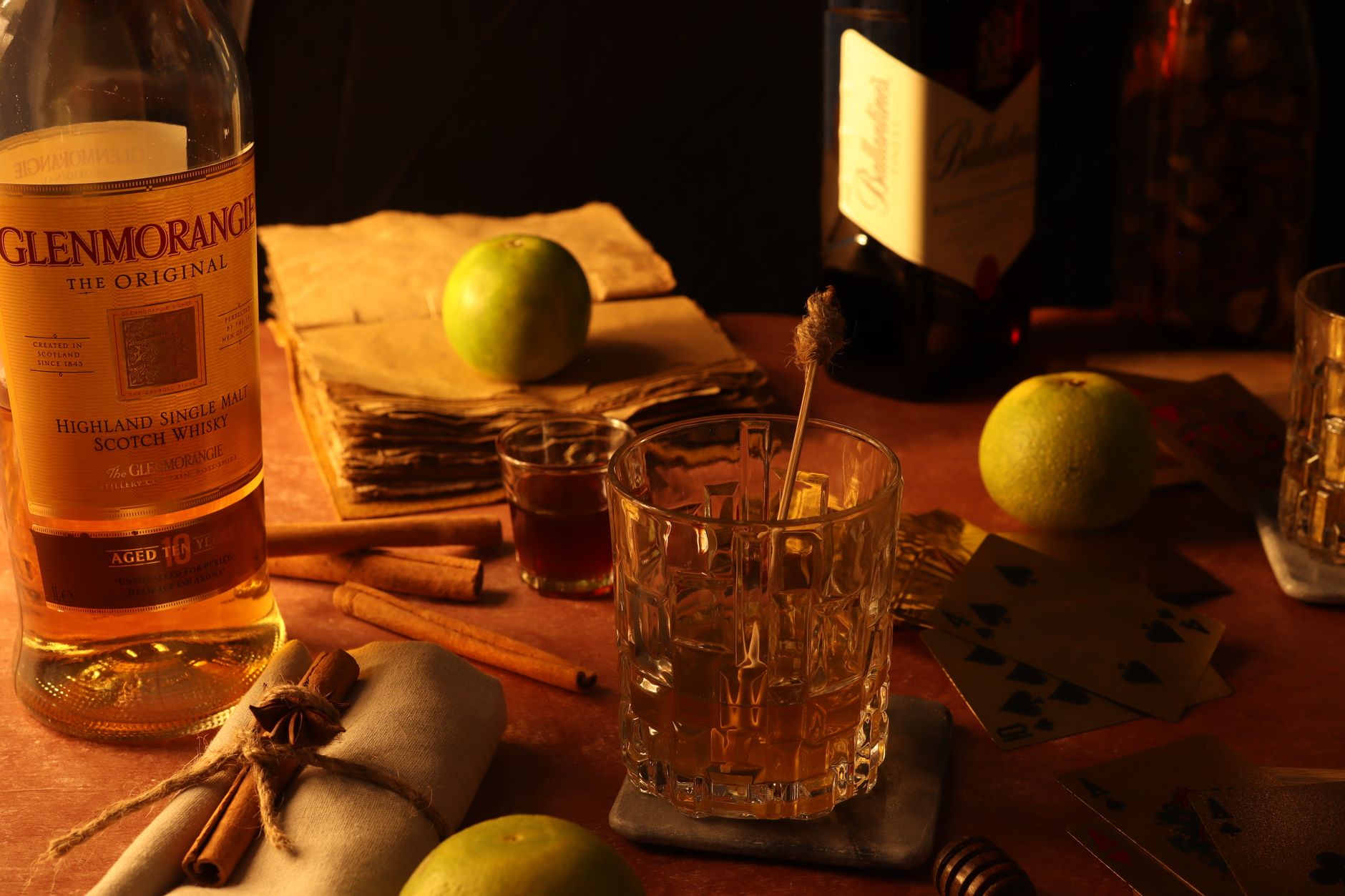
What Is in an Old Fashion? Most people assume it’s basically a fruit salad in a glass — muddled orange slices, a cherry mashed into the bottom, maybe some soda. That’s actually a Wisconsin supper-club variation that somehow spread until it became the default version in half the country. The original recipe, documented as far back as 1806, is leaner: whiskey, sugar, bitters, water. That’s it.
Every ingredient pulls weight here. Change one ratio and the whole drink shifts, so it’s worth knowing what each component actually does before you decide which version you prefer.
The Core Three Ingredients
Whiskey is the obvious starting point. Rye gives you a spicier, drier drink; bourbon pushes sweeter and rounder. Either works, but I’d stay in the 80–100 proof range — anything lighter gets lost under the sugar, and cask-strength whiskey tends to overpower the bitters before you’ve even stirred it down. A 2 oz pour is standard. Most bars go a little heavy on this, which isn’t always wrong.
Sugar is where people argue. One small cube (roughly ½ tsp of white sugar) muddled with the bitters is traditional and gives a slightly grainier, slower-dissolving sweetness. Simple syrup at the same volume dissolves instantly and produces a cleaner texture, though some bartenders find it a touch flat compared to the cube. Demerara syrup is a reasonable middle ground. Honestly, both work; the cube just looks better if you’re making it tableside.
Bitters are the binding agent, and without them you just have sweetened whiskey. Two dashes of Angostura is the baseline; three is fine if you want more backbone. Angostura brings clove, cinnamon, and a little gentian bitterness that ties the whiskey and sugar together. Some recipes swap in orange bitters or use both, and that’s a legitimate choice, not a mistake.
Garnish and Glass Choices
The orange peel isn’t decoration. You express it over the glass first, squeezing the oils across the surface of the drink, then run the peel around the rim. Those citrus oils change the aroma noticeably and soften the first sip. A wide, thick-cut peel works better than a thin strip because you get more oil out of it. The maraschino cherry is optional and mostly textural — it adds a small hit of sweetness if you eat it, but it doesn’t affect the drink while it’s sitting in the glass.
Glass matters more than people admit. A rocks glass (also called a lowball or Old Fashioned glass) is the right vessel, and a single large ice cube is preferable to a handful of small ones. The big cube melts slower, which means less dilution over the five or ten minutes it takes to drink. Crushed ice is genuinely wrong here; you’d water it down in under two minutes.
Getting the Balance Right
What Is in an Old Fashion? comes down to this: 2 oz whiskey, ½ tsp sugar or simple syrup, 2–3 dashes Angostura, one large ice cube, expressed orange peel. The recipe hasn’t needed improving since the 1800s. I’m not sure you can say that about many things. Those ratios were worked out a long time ago, and from what I’ve seen behind a bar, they hold up.
FAQs
What whiskey is best for an Old Fashioned?
Buffalo Trace bourbon or Rittenhouse rye are solid starting points, both around 90–100 proof and priced reasonably. Avoid anything below 80 proof.
Can you use sugar syrup instead of a sugar cube?
Yes, and many bartenders prefer it for consistency. Use ¼ oz of simple or demerara syrup in place of one sugar cube.
What does the orange peel do in an Old Fashioned?
Expressing the peel releases citrus oils onto the drink’s surface, brightening the aroma and softening the whiskey’s edge on the first sip.