
What Is Energy and Power Technology Explained Simply
Most introductions to this field jump straight to solar panels and wind turbines without explaining what energy and power technology actually studies at a physical level. That gap matters. The whole field is built around one distinction that engineers treat as fundamental, and if you miss it early, a lot of the design logic stops making sense.
Energy vs Power: The Core Difference
What Is Energy and Power Technology? It’s the study of how energy is captured, converted, stored, and delivered as useful power. Energy is the capacity to do work, measured in joules. Power is the rate at which that work gets done, measured in watts, and one watt equals exactly one joule per second. That relationship sits underneath every design decision in the field.
Here’s why it matters in practice. A lithium-ion battery might store 200 Wh/kg, which sounds impressive, but if it can only release that energy slowly, its power output stays low. A capacitor holds far less energy yet can dump it almost instantly. So engineers are constantly trading one off against the other, depending on whether the application needs long duration (energy) or fast delivery (power). I’d argue most people who are new to this field underestimate how often that tradeoff drives the whole design.
Key Technologies: Generation and Storage
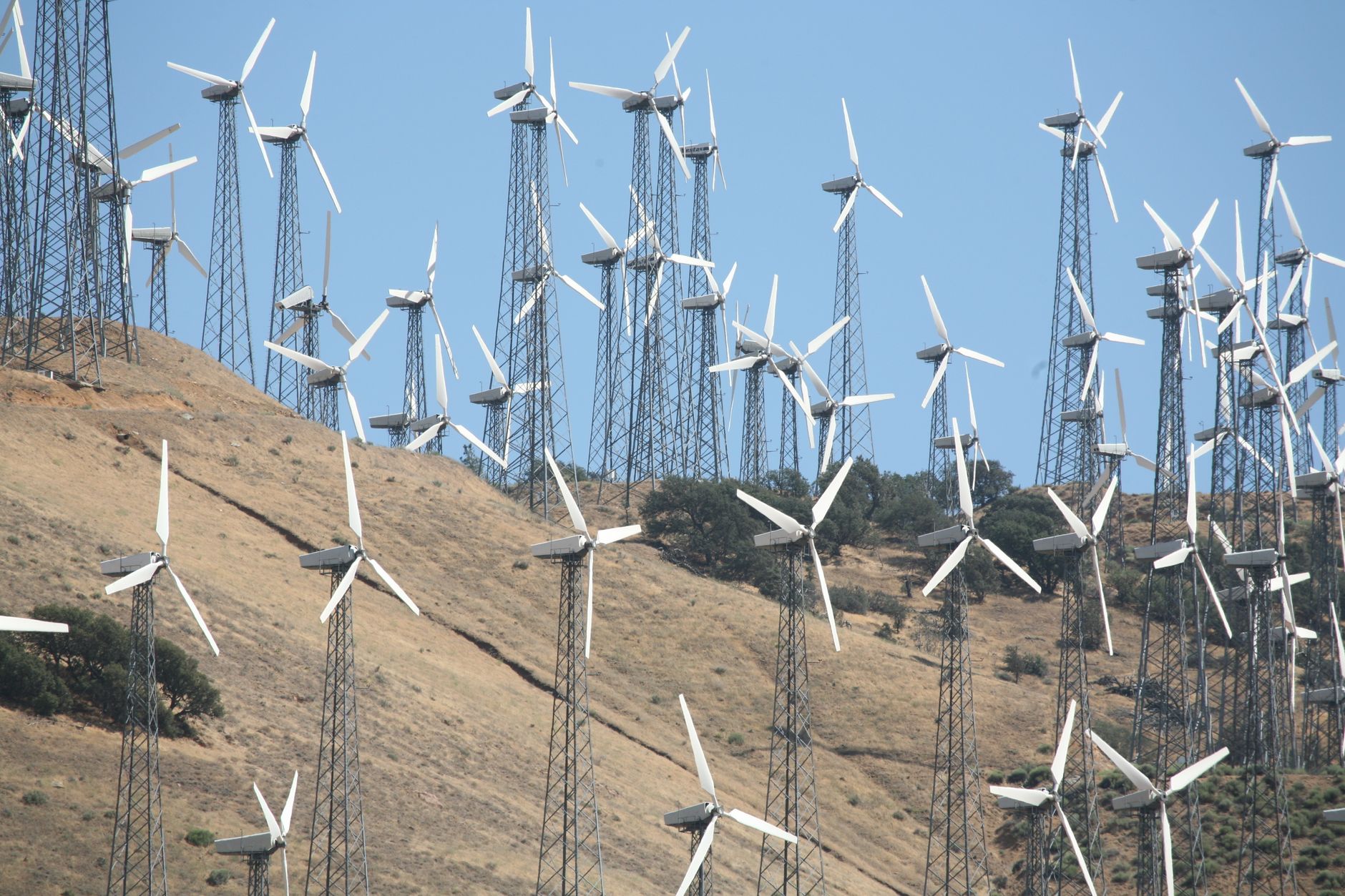
Global electricity generation hit 29,165 TWh in 2022, and the mix producing that figure has shifted dramatically. Solar PV costs dropped 89% between 2010 and 2022, which is the single biggest reason utility-scale solar went from a curiosity to the cheapest new electricity source in most markets. Wind, gas turbines, nuclear, and hydro all play roles, each with different energy-to-power profiles.
Storage is where things get genuinely complicated. Lithium-ion batteries store energy at roughly 150 to 265 Wh/kg, fine for phones and electric cars but expensive at grid scale. Pumped hydro still handles the majority of grid-scale storage worldwide, mostly because it’s cheap once built (even if siting it is a nightmare). Power grids also have to maintain strict frequency, either 50 Hz or 60 Hz depending on region, and the moment generation and demand drift apart, frequency moves. Keeping it stable gets harder as more variable renewables come online. I’m honestly not sure the industry has fully solved that one yet.
Why This Field Is Expanding
What Is Energy and Power Technology? It’s also one of the fastest-growing engineering disciplines right now. Decarbonising electricity systems means redesigning infrastructure that was mostly built in the mid-twentieth century. From smart inverters to grid-scale battery projects, the technical problems are real and the job market reflects that clearly.
FAQs
What is the difference between energy and power technology?
Energy technology focuses on storing and converting energy, measured in joules. Power technology deals with its delivery rate, measured in watts. Most real systems need both disciplines working together.
What are examples of energy and power technology?
Solar panels, wind turbines, lithium-ion batteries, gas turbines, and high-voltage transmission lines all fall within this field. Power electronics like inverters and converters are central examples too.
What jobs are in energy and power technology?
Electrical engineers, grid operators, energy storage specialists, and power systems analysts are common roles. Renewable energy project development also draws heavily from this field.