
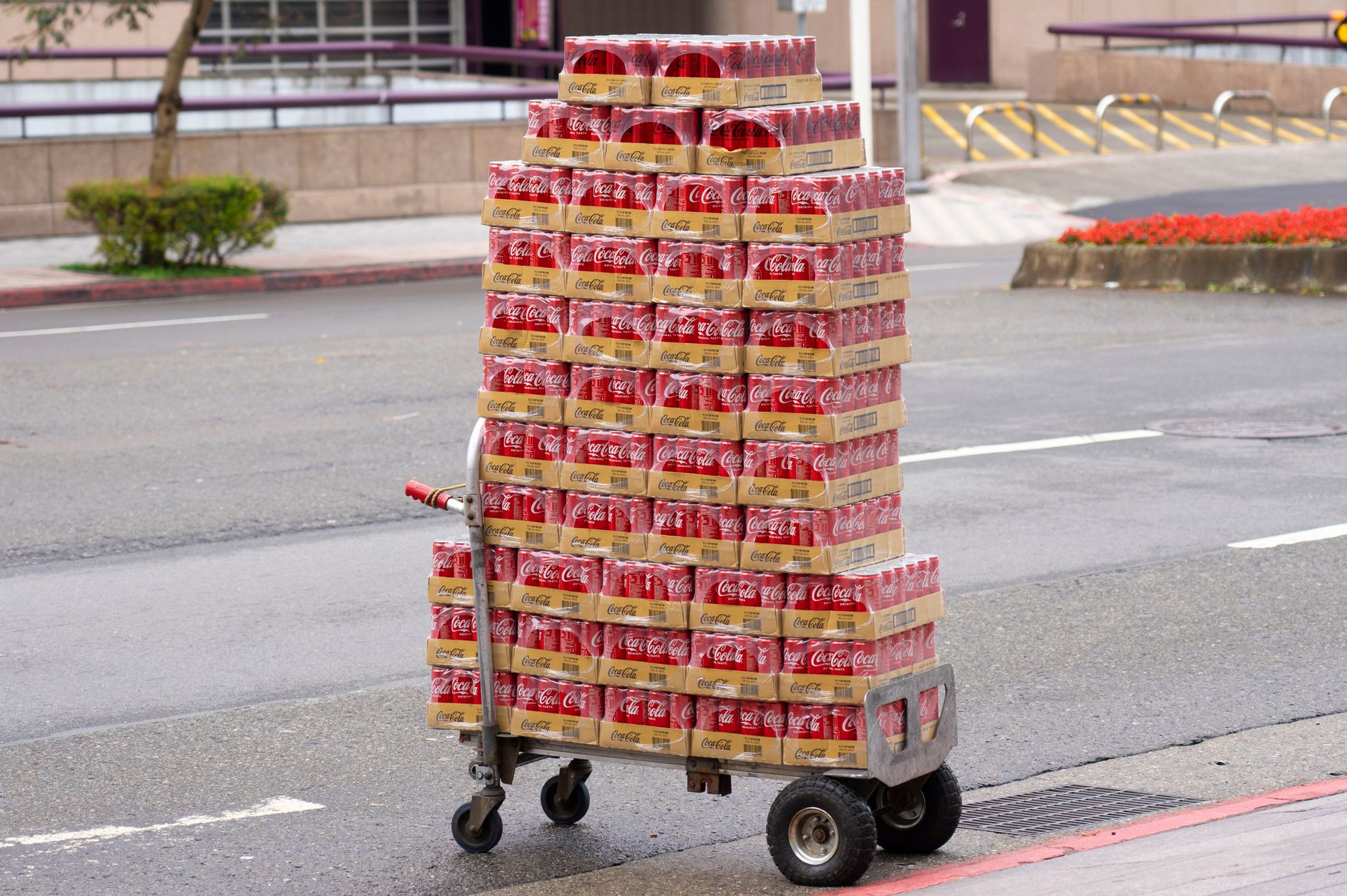
What Is One Way That Technology Can Improve the Distribution of Goods? Honestly, real-time inventory tracking is the most direct answer I can give. It changes where products sit, how fast they move, and whether a customer gets their order on Tuesday or finds an empty shelf instead.
How Real-Time Tracking Works
The core idea isn’t complicated. Every pallet or item carries an identifier, usually an RFID tag or a barcode that IoT shelf sensors read without anyone touching it. That tag talks to a central system constantly, so the warehouse always knows what it has and where. A Zebra Technologies study found RFID cuts inventory shrinkage by up to 25%, which matters a lot when you’re moving millions of units.
Walmart is the most-cited example, and fairly so. Their IoT shelf sensors cut out-of-stock incidents by 16%. That sounds modest until you price it out: a single missing item in a high-volume category can cost thousands in lost sales per week, per location.
Measurable Gains for Retailers
When tracking is tight, the downstream effects add up fast. Amazon’s same-day delivery network reaches about 72% of the US population largely because their fulfillment centers know inventory positions in near real-time. Automated Kiva robots inside those warehouses process orders four times faster than human pickers, and those two things together are why “order by noon, get it today” is an actual promise. For rural delivery, UPS drone pilots cut delivery time by 60% in some test corridors.
Farther out in the chain, Maersk and IBM ran a blockchain-based tracking pilot that cut shipping documentation time from seven days to under four hours. An entire week of paperwork, compressed into a single afternoon.
Barriers Worth Knowing
I’d be leaving something out if I skipped the cost part. The global supply chain management software market was valued at $19.3 billion in 2023, and most of that spending comes from large enterprises. RFID infrastructure isn’t cheap, and integration with legacy warehouse systems takes longer than vendors will admit upfront (six months to a year is common, in my experience). Smaller operations often patch together barcode scanning and spreadsheet exports, which works but leaves real gaps in visibility.
Where Distribution Tech Stands
What Is One Way That Technology Can Improve the Distribution of Goods has a pretty clean answer right now: real-time inventory tracking, built on RFID, IoT sensors, and connected software, is the mechanism that ties everything else together. Drones and robots get the headlines. But they only perform well when the underlying data is accurate, so getting the tracking right first is what I’d actually focus on.
FAQs
What technology is most used in goods distribution?
RFID tagging and barcode scanning paired with warehouse management software are the most widely deployed, with IoT sensors growing fast in large retail and logistics operations.
How does IoT improve supply chain efficiency?
IoT sensors report stock levels and location data continuously, cutting the manual counts that cause delays and letting teams reorder or reroute before a shortage hits.
Can small businesses afford distribution tracking technology?
Cloud-based inventory software starts around $50–$200 per month, so basic real-time tracking is reachable; full RFID infrastructure is still mostly an enterprise-scale investment.