
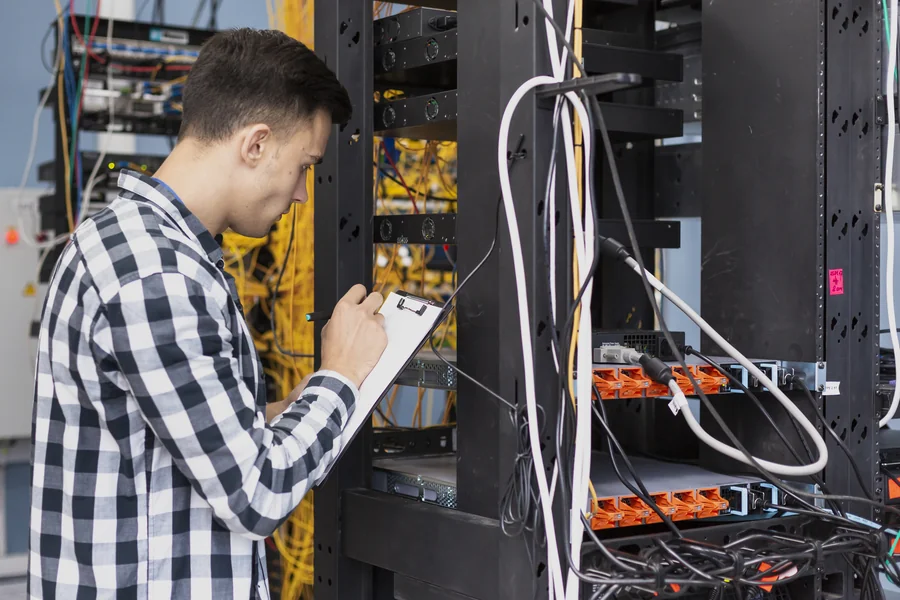
Modern businesses depend on reliable electrical power and controlled operating temperatures to keep essential equipment running. From servers and networking hardware to manufacturing machinery and building systems, many operations rely on infrastructure that needs consistent power delivery and effective heat management. When these systems are neglected, minor issues may develop into disruptive failures that affect productivity, equipment performance, and customer service.
Regular power and cooling system maintenance provides a proactive approach to protecting critical infrastructure. Rather than waiting for an unexpected failure, businesses can identify developing problems and address them before they interfere with daily operations.
In this blog post, we’ll explore why regular power and cooling system maintenance matters for business continuity. Read on!
Preventing Unexpected Equipment Failures
Power infrastructure operates under continuous demand, placing stress on components over time. Loose connections, worn parts, overloaded circuits, and other developing faults may remain unnoticed until they trigger a significant problem. Routine inspections give technicians an opportunity to identify these conditions before they escalate.
Cooling equipment also requires regular attention. Filters become obstructed, fans wear down, and cooling components lose efficiency as operating hours accumulate. If heat removal becomes inadequate, sensitive equipment may operate outside its intended temperature range. Scheduled maintenance keeps these systems in better working condition and lessens the risk of sudden shutdowns.
Protecting Critical Business Operations
Even a short power or cooling interruption may affect business processes that depend on continuous infrastructure availability. Data centers, telecommunications equipment, production environments, and other technology-dependent operations often require stable environmental conditions. An unexpected outage could interrupt access to essential systems or force employees to pause their work.
A structured maintenance program supports operational resilience by keeping infrastructure prepared for everyday demands. It also gives businesses opportunities to review system performance and address vulnerabilities before they become operational emergencies.
Improving System Performance
Maintenance is not limited to finding obvious faults. Technicians also assess whether power and cooling equipment is operating according to expected performance standards. Identifying inefficiencies early allows businesses to address conditions that may contribute to excessive energy consumption or unnecessary equipment strain.
For cooling systems, proper airflow and clean components are particularly important. Restricted airflow forces equipment to work harder to maintain suitable temperatures. Power systems likewise benefit from inspections that identify conditions affecting electrical efficiency and reliability. Keeping infrastructure properly maintained supports more consistent performance over its service life.
Supporting Business Continuity Planning
Business continuity involves more than preparing for major disasters. It also requires attention to everyday infrastructure risks that could interrupt normal operations. Power and cooling systems form an important part of this planning because their failure may affect numerous business functions at once.
Maintenance records also provide useful information for continuity planning. Businesses gain a clearer understanding of equipment condition, recurring issues, service requirements, and potential vulnerabilities. This information supports better decisions regarding preventive work, replacement planning, and infrastructure upgrades.
Lowering Emergency Maintenance Costs
Emergency repairs often require immediate attention under difficult circumstances. A sudden equipment failure may lead to service interruptions, expedited replacement parts, overtime labor, or other unplanned expenses. Preventive maintenance shifts more of the work toward scheduled service, giving businesses better control over maintenance planning.
Regular inspections also allow organizations to prioritize repairs based on equipment condition and operational importance. Addressing a developing fault during planned maintenance is often less disruptive than dealing with the same issue after a failure.
Reliable power and cooling systems are essential for keeping daily operations running smoothly. Regular maintenance addresses potential issues before they turn into costly disruptions, supports consistent equipment performance, and protects critical infrastructure over time. A proactive approach also gives businesses more confidence in their ability to maintain operations when systems are under continuous demand.
If your business relies on dependable electrical power and cooling infrastructure, consider reaching out to qualified professionals for power and cooling system maintenance, such as those from Data Center Solutions. Their expertise provides the inspections and servicing needed to keep your systems operating reliably and prepare your infrastructure for long-term business continuity.