
Expanding an agricultural operation in Kentucky requires thoughtful planning around property improvements and site developments.
Upgrading farm facilities allows landowners to accommodate higher yield capacities, protect valuable equipment, streamline daily chores, and support overall site efficiency. Prior to starting any major structural or utility project, rural property owners evaluate local zoning codes, site terrain, soil conditions, and long-term operating goals.
Working alongside licensed regional contractors and agricultural equipment suppliers helps landowners choose options tailored to local soil conditions and seasonal weather patterns.
Subsurface Drainage Systems
Excess groundwater in agricultural fields stunts crop growth and creates muddy conditions during planting seasons. Landowners hire local civil excavation contractors or agricultural drainage specialists to install specialized field tiles that redirect standing water away from roots.
Site evaluations determine proper land slope and soil permeability before trenching starts. Effective moisture management protects crop root systems while keeping heavy machinery from sinking into wet soil during routine operations.
Commercial Grain Storage Silos
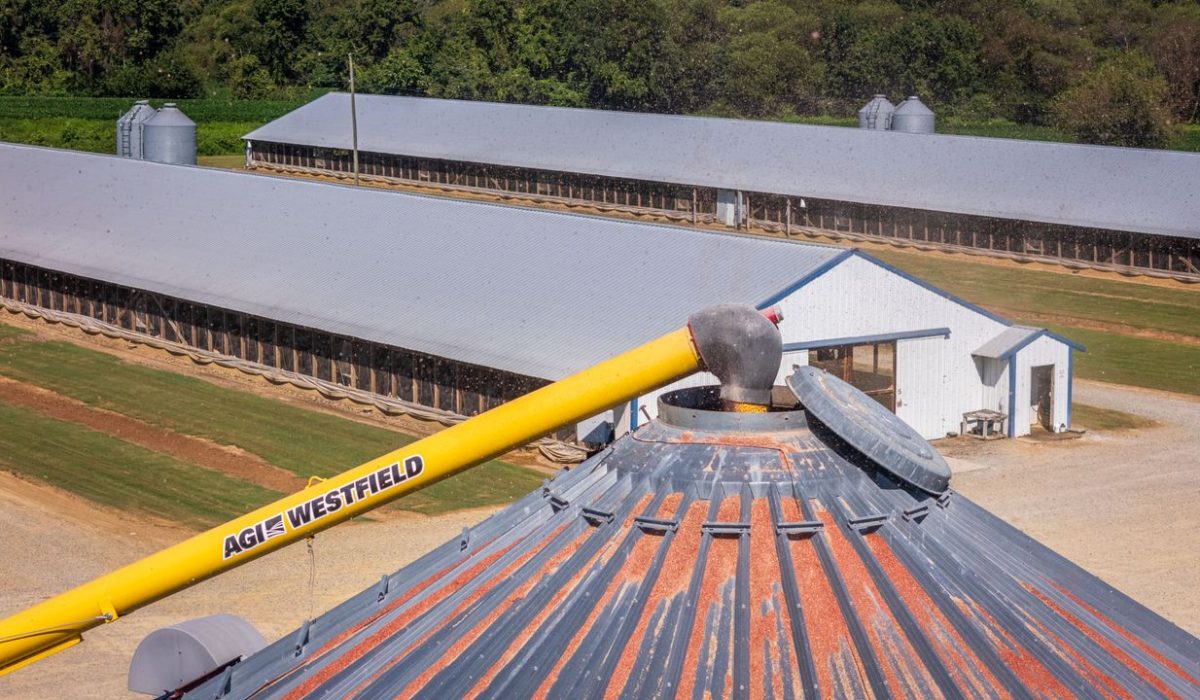
On-farm grain storage lets producers hold harvested crops until market prices become favorable for selling. Regional agricultural construction firms and millwright services fabricate corrugated steel grain silos equipped with integrated ventilation fans. Property owners plan for concrete pad site preparation and electrical utility connections prior to building installation.
Having dedicated storage on site minimizes harvest delays by eliminating long drives to commercial grain elevators during peak harvest weeks.
Heavy-Duty Perimeter Fencing
Proper containment fencing keeps livestock safe and protects growing pastures from roaming wildlife.
Agricultural fencing contractors and regional fence supply companies build durable enclosures using woven wire, high-tensile steel, barbed wire, or heavy wooden posts. Landowners arrange site boundary surveys to establish correct property lines before post holes are cleared. Sturdy fencing supports controlled rotational grazing while safeguarding farm animals across expansive properties.
Premium Metal Buildings
Steel structures provide durable space for machinery maintenance, crop sorting, supply storage, and indoor farm work.
Regional metal building manufacturers, such as Searcy Building Systems, and commercial steel builders supply custom clear-span structures engineered for heavy agricultural use. Property owners secure local building permits and prepare concrete foundations prior to structural delivery.
These low-maintenance buildings protect expensive farm machinery and harvested yields from harsh winter freezing and severe summer storms.
Automatic Livestock Watering Stations
Reliable access to fresh water supports livestock health across rotational pastures and feeding lots. Farm supply dealers and agricultural plumbing contractors supply freeze-proof watering troughs connected to underground water supply lines. Proper trench depth protects buried supply pipes from winter freezing temperatures.
Installing temperature-controlled watering systems maintains steady drinking supplies for cattle, horses, sheep, and goats throughout changing seasons.
Vertical Water Storage Tanks
Storing bulk liquid supplies provides a dependable reserve for crop spraying, livestock watering, equipment washing, and emergency fire response. Certified liquid storage tank distributors and agricultural supply yards, including USA Tank, supply seamless polyethylene tanks in various holding capacities.
Property owners prepare a level crushed stone base to support the vertical weight distribution of the filled tank. High-density plastic tanks resist ultraviolet degradation and chemical corrosion, offering long-term liquid storage with minimal upkeep.
Aggregate Access Roads
Heavy farm machinery requires stable access routes to move smoothly between field sectors and storage barns.
Local gravel suppliers and excavation contractors construct durable farm roads using layered crushed limestone and geotextile fabric. Land grading and culvert installation manage rainwater runoff along the roadway path. Well-constructed interior roads prevent soil compaction while keeping farm trucks from getting stuck during muddy spring thaws.
Automated Greenhouse Structures
Enclosed growing structures allow vegetable growers and plant nurseries to extend production past normal outdoor growing seasons. Commercial greenhouse manufacturers and agricultural technology suppliers build steel-frame structures equipped with climate controls.
Landowners secure access to reliable electrical service and water hookups during site planning. Automated climate controls regulate interior temperature and humidity levels, protecting young plants from unexpected spring frosts and summer heat waves.
Solar Power Infrastructure
Generating clean energy on rural acreage offsets utility expenses for electric fencing, well pumps, ventilation fans, and shop lighting. Solar energy installation companies and rural renewable energy contractors install ground-mounted solar panels tailored to agricultural electric loads. Property owners set up grid interconnection agreements with local electric cooperatives prior to system activation.
Ground-mounted solar arrays generate predictable electric power, reducing monthly operating costs for farm utility connections across remote property sectors.
Heavy Equipment Storage Sheds
Storing tractors, combines, balers, and attachments under cover prevents weather wear and preserves machinery trade-in value.
Pole barn builders and timber-frame construction services assemble open-sided or fully enclosed pole buildings for machinery storage. Landowners evaluate door clear heights and interior turning radii to fit large agricultural implements. Protecting equipment from sun fading and moisture rust extends operational service life while lowering repair costs.
Waste Management Facilities
Proper handling of manure and organic waste maintains pasture health and meets regional environmental standards. Agricultural civil engineering firms and concrete contractors construct lined retention lagoons, dry manure stacks, concrete containment pits, or covered storage sheds.
Landowners check state environmental protection guidelines regarding setbacks from nearby streams and groundwater wells. Managed containment facilities allow producers to store organic fertilizer safely until field application season arrives.
Building modern farm infrastructure represents a practical commitment to long-term agricultural success in Kentucky. Upgrading facilities across a property reduces daily labor demands, protects valuable equipment, improves operational flow, and stabilizes yields.
Landowners who partner with experienced local contractors and specialized equipment dealers complete projects safely and according to regulatory standards. Early planning and quality structural selections position rural acreage for ongoing growth and operational resilience.