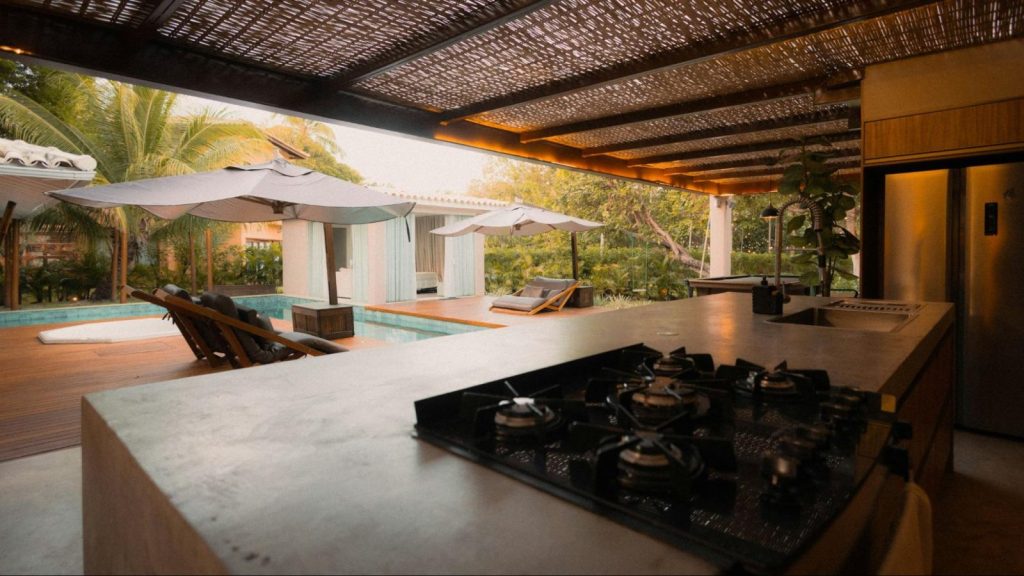
Designing a high-end outdoor kitchen requires materials that look stunning while handling tough weather. While indoor spaces enjoy climate control, outdoor counters face high heat, sudden rainstorms, deep freezes, and rapid temperature changes. Selecting the right natural stone ensures your cooking setup remains pristine for decades. Many homeowners assume any luxury marble or granite works fine outside. However, picking stone for outdoor environments means knowing how geology interacts with changing weather. Choosing properly treated stone protects your overall property value while giving your family a reliable space for cooking and entertaining outdoors every single year.
Evaluating How Weather Impacts Natural Stone
Outdoor natural stone faces severe environmental challenges that indoor countertops never encounter. Direct sunlight bombards the surface with intense ultraviolet rays. These rays can fade vivid colors or break down weak sealers over time. Rain and atmospheric humidity introduce standing moisture into microscopic stone pores. This moisture sets the stage for deep stains or sudden structural cracking.
Thermal expansion occurs when natural stone heats up in the afternoon sun and cools down rapidly at night. This constant temperature shifting creates internal physical stress within dense slabs. If a chosen stone cannot handle rapid movement, hairline fractures develop along natural veins. Freeze-thaw cycles present another major structural hazard in regions with harsh winters. Water trapped inside porous stone expands as it freezes, breaking internal crystalline bonds and causing surface spalling.
Choosing Granite for Superior All-Weather Durability
Granite remains the premier material choice for luxury outdoor spaces due to its volcanic origin. Formed under immense pressure deep within the earth, granite resists scratches, intense heat, and heavy cooking use.Darker varieties like absolute black or deep gray handle heat absorption exceptionally well without weakening over time. Lighter shades reflect bright sunlight, keeping surface temperatures manageable for guests during hot summer gatherings. You can comfortably set down hot grill pans or serve chilled drinks directly on the slab without worrying about thermal shock. Applying a high-grade impregnating sealer once a year keeps rain,wine, and grease from penetrating the stone surface. With this basic routine care, a quality granite counter easily outlasts most other patio construction materials.
Assessing Quartzite for Elegant Sun Resistance
Quartzite offers the breathtaking look of classic marble combined with the rugged durability of high-end granite. Formed when quartz sandstone undergoes intense metamorphic heat and pressure, quartzite features delicate veining and shimmering textures. This natural stone naturally resists fading under strong sunlight, making it perfect for uncovered sun-drenched patio layouts.
Unlike soft decorative marble, genuine quartzite does not etch when exposed to lemon juice, vinegar, or spilled drinks. Homeowners gain the high-end aesthetic of luxury interior kitchens without worrying about permanent marks during weekend parties. Its extreme natural hardness easily stands up against heavy cast iron cookware, sharp utensils, and outdoor cleaning tools. Pure mined quartzite guarantees long-term physical durability under the open sky without sacrificing visual appeal.
Reviewing Soapstone for Thermal Stability and Style
Soapstone provides a rich, velvety texture that adds subtle sophistication to modern outdoor kitchens. Composed mostly of mineral talc and dense magnesite, soapstone is completely non-porous across its entire surface. It repels liquids, stubborn stains, and dangerous bacteria naturally without requiring chemical topical sealers. This unique stone handles intense heat from nearby gas grills or wood-fired pizza ovens without cracking or warping over time. Minor surface scratches from heavy metal pots can be easily buffed out using light sandpaper and mineral oil. This simple process allows the countertop to maintain its deep charcoal tone through decades of constant use.
Understanding Porosity to Avoid Winter Damage
Porous stones absorb moisture easily, making them vulnerable to permanent staining, mold growth, and winter frost damage. Trapped moisture expands when ambient temperatures drop below freezing, slowly breaking down weak slabs from the inside. Selecting dense stone varieties with low absorption rates keeps the entire countertop structure intact season after season.
Limestone and travertine offer warm, earthy textures, but they require frequent professional sealing to survive damp winter conditions. Highly porous stones absorb moisture during autumn rains, leaving them susceptible to cracking during sudden freeze events. Homeowners in wet or freezing climates often prefer dense granites, quartzites, or dark slates. Local contractors like Georgia Patio often recommend matching stone selection to specific climate conditions so the installation stays structural and beautiful year after year. Proper slab thickness also helps the surface resist cracking under heavy snow loads or sudden overnight frosts.
Building an Outdoor Space That Lasts
Investing in premium natural stone turns an ordinary backyard layout into an enduring luxury retreat. By choosing dense granite, light-fast quartzite, or non-porous soapstone, your kitchen stands up to summer heat waves and winter freezes alike. Proper routine maintenance keeps natural stone looking fresh despite heavy exposure to weather elements. Annual sealing, routine water rinsing, and protective fabric covers during offseason months preserve the natural beauty of the rock. Taking these simple preventive steps protects your financial investment for decades of enjoyable outdoor entertaining.